
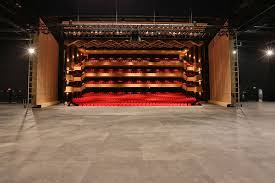
 Issue in focus: OCSM Delegates from Calgary, Regina, and Victoria report on venue challenges at their orchestras.
A Canadian centenary project, the Conexus Arts Centre in Regina was completed in 1970 as a multi-use venue for the performing arts and to house exhibitions. As the Regina Symphony Orchestra grew into a professional ensemble throughout the 1970s, it made sense to move from the orchestra’s original home in Darke Hall to the Provincially-owned Conexus, then known as Centre for the Arts.
Over the past decade, it has become clear that Conexus, a 2000-seat venue, is too large for the Regina Symphony. The orchestra has explored a nostalgic return to the recently-renovated Darke Hall; while audiences are responding warmly and enthusiastically with sold-out concerts, the stage is too small to perform most repertoire from the 19th and 20th centuries, and the pricing model for the venue means that even multiple concerts of the same programme in the 474-seat hall are unlikely to yield revenue.
Further compounding the Regina Symphony’s urgent need for a Goldilocks solution is the rapidly-rising costs associated with using Conexus. During the pandemic, the Provincial Government required the venue to drain all of its financial reserves before receiving any assistance. Once live events resumed, Conexus moved quickly to bring in as much revenue as possible, and it became clear that preferential treatment for the orchestra was a thing of the past. The costs continued to skyrocket as a result of inflation over the past two seasons, and the quote given to the RSO while next season’s budget was being developed suggested a further average increase of 14% for the 24-25 season.
For an orchestra navigating a financial crisis, difficulties relating to the venue intensify and complicate the situation. Shrinking the RSO’s season in terms of programming, personnel, and number of concerts has been path forward chosen by the orchestra’s administrative leadership. In addition to lowering costs, their argument is that a slimmed-down season is a better fit for current box office demand, and a more manageable workload for the staff.
However, musicians feel that this is an unsustainable band-aid solution, as it reduces the orchestra’s artistic impact, compounds personnel problems since less work is being offered to per service and extra musicians, and limits the orchestra’s opportunities for earning revenue.
Tamsin Lorraine Johnston
Regina Symphony Delegate
May 12, 2024